


New
GLP-1 Receptor Agonist Analog
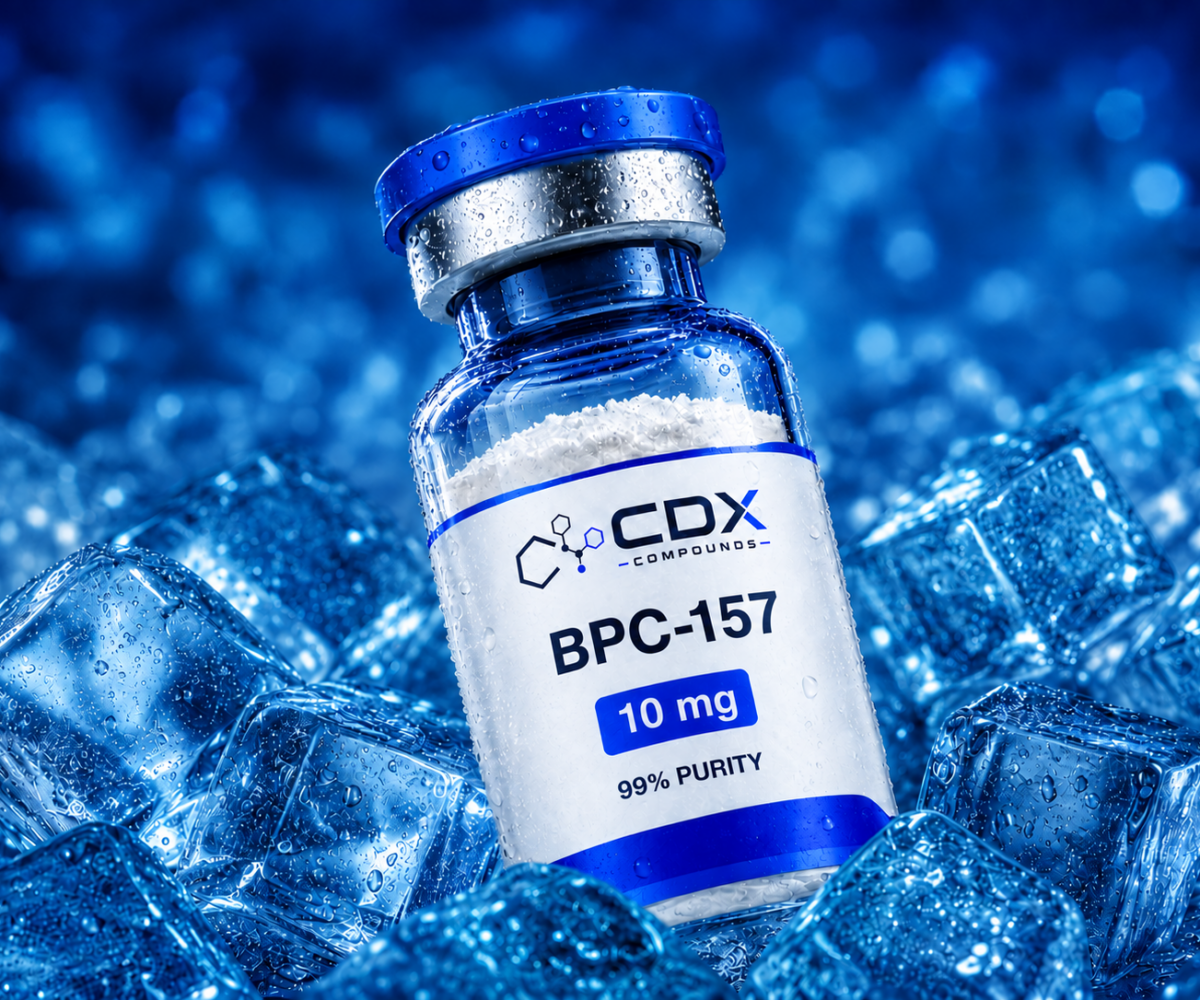
BPC-157
BPC-157 is a synthetic 15-amino-acid peptide investigated primarily in laboratory and preclinical models involving cellular signaling, vascular pathways, extracellular matrix activity, and tissue-response mechanisms. Experimental research has examined BPC-157 in...
$59.99
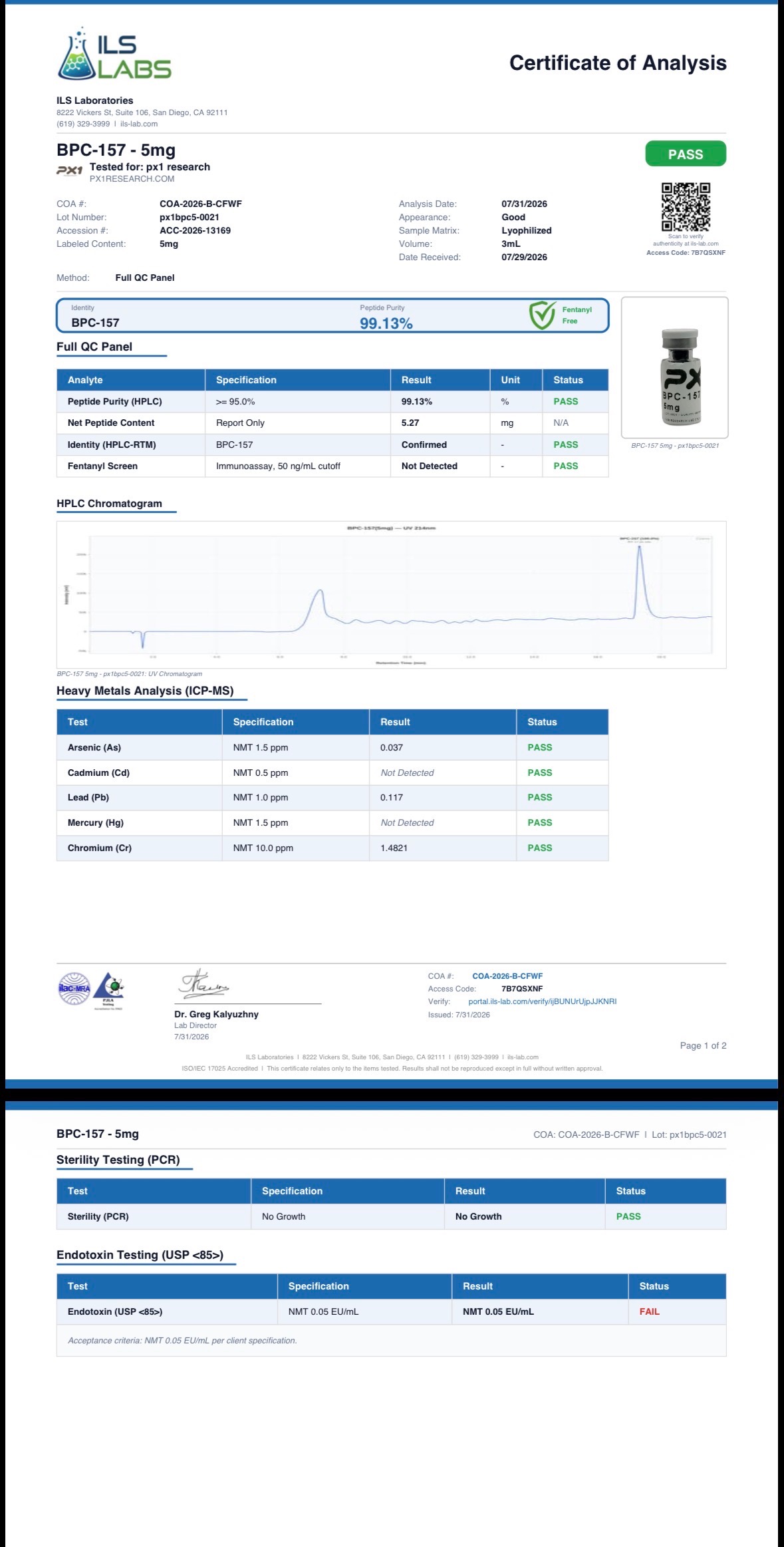
Certificate of Analysis
Research Use Only — not for human or veterinary consumption. See our Research Use Only Policy for eligibility details.
BPC-157 is a synthetic 15-amino-acid peptide investigated primarily in laboratory and preclinical models involving cellular signaling, vascular pathways, extracellular matrix activity, and tissue-response mechanisms.
Experimental research has examined BPC-157 in relation to angiogenesis-associated signaling, VEGF pathways, nitric-oxide signaling, fibroblast behavior, and collagen-related processes.
The existing research base is predominantly preclinical.
Specifications
Product Classification: Research Use Only (RUO)
Compound: BPC-157
Total Content: 10 mg per vial
Peptide Length: 15 amino acids
Form: Lyophilized research material
Packaging: Research vial
Purity: ≥99% (include only when confirmed by the applicable batch COA)
Intended Use: Laboratory research and analytical purposes only
Research Applications
BPC-157 may be used in controlled laboratory models investigating:
- Angiogenesis-associated pathways
- VEGF signaling
- Nitric-oxide pathways
- Fibroblast activity
- Extracellular matrix biology
- Collagen-associated signaling
- Cellular migration
- Experimental tissue-response pathways
Warning
FOR RESEARCH USE ONLY. NOT FOR HUMAN OR VETERINARY USE. NOT FOR HUMAN CONSUMPTION.
This product is intended solely for qualified laboratory research and analytical applications.
Scientific Report
Abstract
BPC-157 is a pentadecapeptide studied primarily in experimental and preclinical systems. Research has examined its relationship with vascular signaling, nitric-oxide pathways, angiogenesis-associated activity, fibroblast behavior, extracellular matrix processes, and cellular responses under controlled experimental conditions.
Mechanistic Pathways
Angiogenesis-Associated Signaling
Experimental models have investigated BPC-157 in relation to angiogenic processes and VEGF-associated signaling.
Research focus: Molecular pathways involved in experimental vascular models.
Nitric-Oxide Signaling
Interactions between BPC-157 and nitric-oxide-associated pathways have been investigated in preclinical research.
Research focus: NO-associated biochemical signaling.
Fibroblast Activity
Experimental research has examined fibroblast behavior in models involving BPC-157.
Research focus: Fibroblast signaling, migration, and extracellular matrix interactions.
Extracellular Matrix Pathways
Collagen-associated and extracellular matrix processes represent another area of BPC-157 research.
Research focus: Matrix-associated signaling under controlled experimental conditions.
Research Profile
Compound: BPC-157
Classification: Synthetic pentadecapeptide
Primary Research Areas: Cellular, vascular, and extracellular matrix signaling
Research Setting: Predominantly laboratory and preclinical models
Research Parameters
Experimental conditions vary according to the cell line, assay, model, exposure period, and endpoint being investigated. Researchers should establish appropriate parameters using validated protocols and relevant scientific literature.
No instructions for human or veterinary use are provided.
Research Highlights
- VEGF-associated pathways
- Angiogenesis models
- Nitric-oxide signaling
- Fibroblast activity
- Cellular migration
- Extracellular matrix research
- Collagen-associated pathways
Conclusion
BPC-157 remains primarily a preclinical research peptide used to investigate vascular, cellular, and extracellular matrix signaling under controlled experimental conditions.
Research Use Only — not for human or veterinary consumption.
Please review our Research Use Only Policy for eligibility details.
Related Compounds
You May Also Be Researching